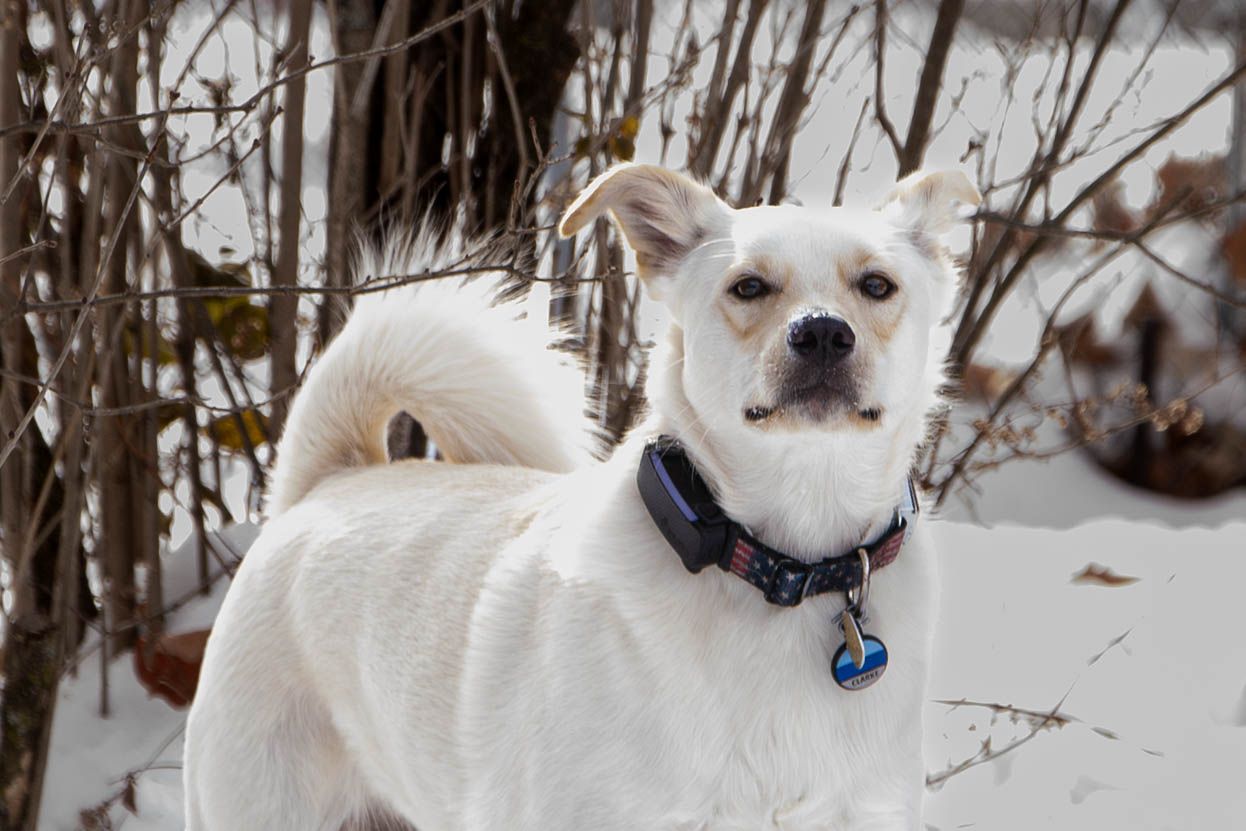
Snow Photography Tips
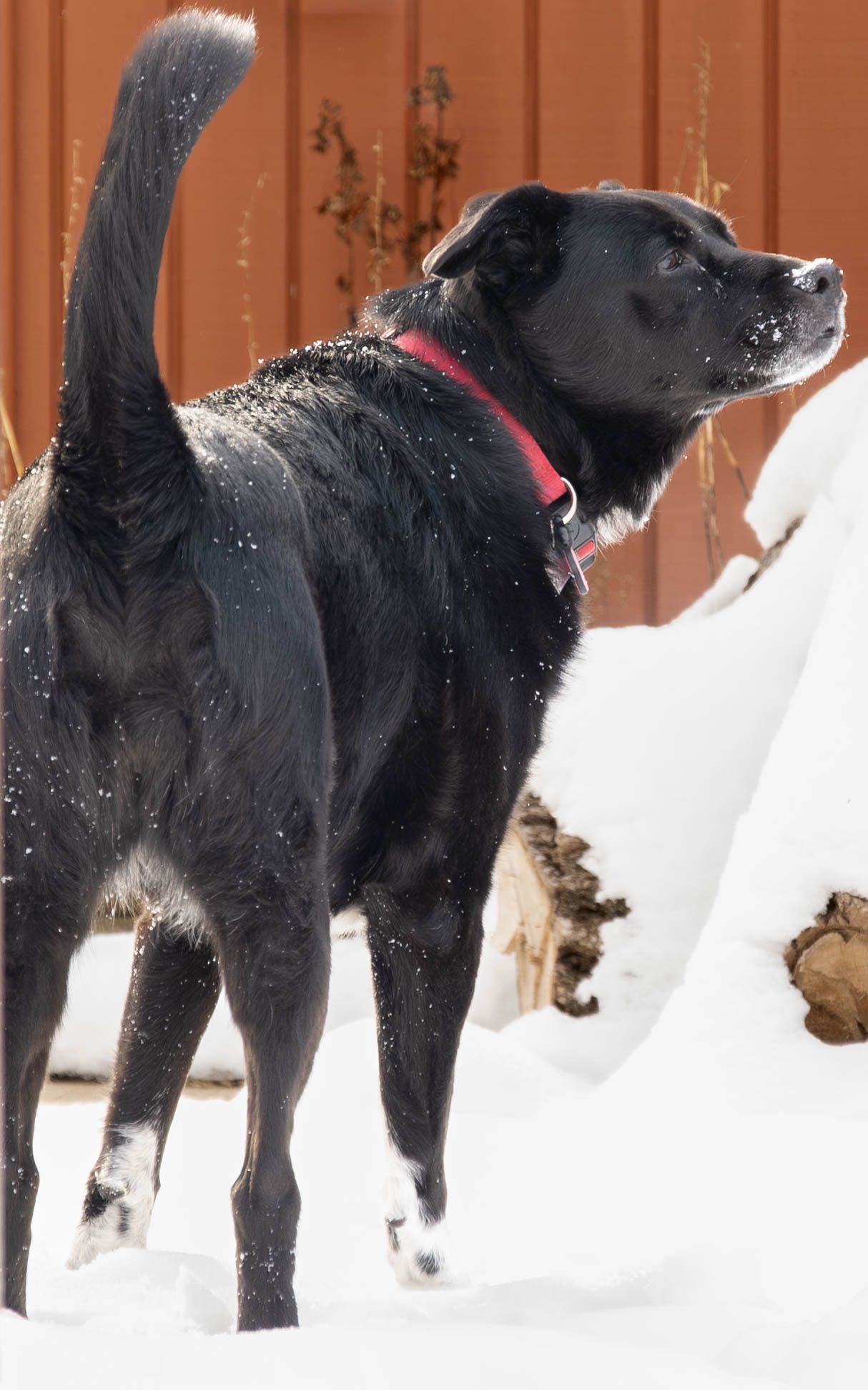
Southeast Iowa was hit by a snowstorm after Thanksgiving, bringing a winter wonderland we haven't experienced in years. While family photography may become more difficult with the drop in temperature, this is the perfect time for our furry friends to shine! While we humans have mixed feelings about the snow, many of our four-legged companions are filled with excitement as they explore this new (or familiar) white landscape. As a dog photographer, I share in that joy! Capturing those playful moments is what I live for. However, snow portraits come with their own set of challenges. Here are some tips to help you snap those perfect candid shots of your dogs reveling in the wintry weather.
- Shadows are your friend - our camera sensors see the world in light. Snow is like a giant sun reflecting an abundance of light. If you try to take a picture in the snow with no contrast or shadows your pictures will look "blown out". When you walk into a dark room from being out in the bright snow is what your pictures will resemble. Try to find shade or contrast if you can.
- Use Manual Mode - if you're using a camera or smartphone try to find manual mode and utilize that. This will give you the most control over the amount of light your camera sensor gets. Increase your F-stop/Aperture to make the opening smaller = less light to the sensor. Increase your shutter speed if you have a faster subject or need less light. Adjust ISO to the lowest setting possible and still get a properly exposed image.
- Use Snow as a Natural Reflector - snow acts like a giant softbox, bouncing clean, bright light onto your dog’s face. This makes snowy days ideal for pet photography, especially when trying to avoid harsh shadows. Position your dog so soft, natural light hits them from the front or side for that gentle winter glow
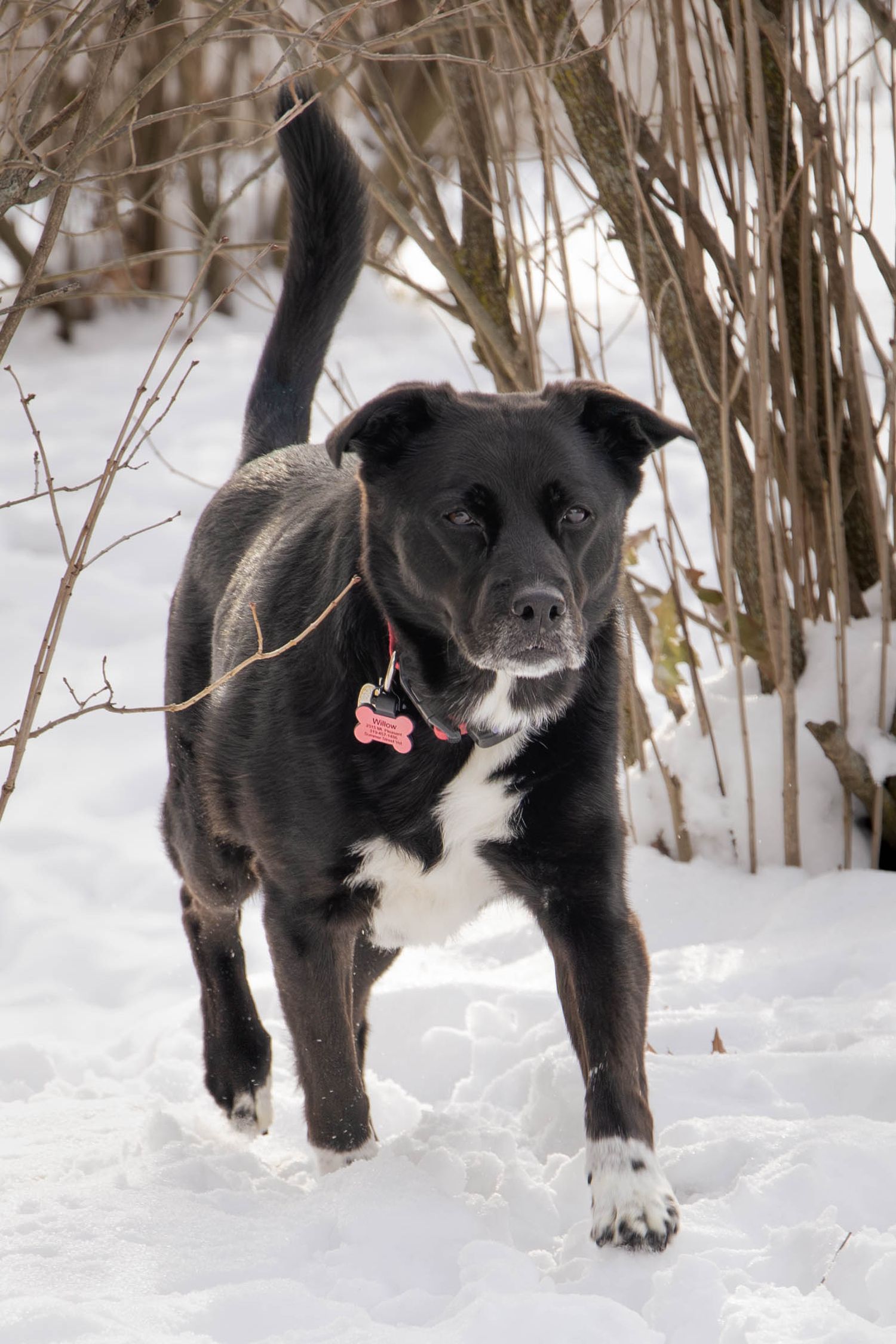
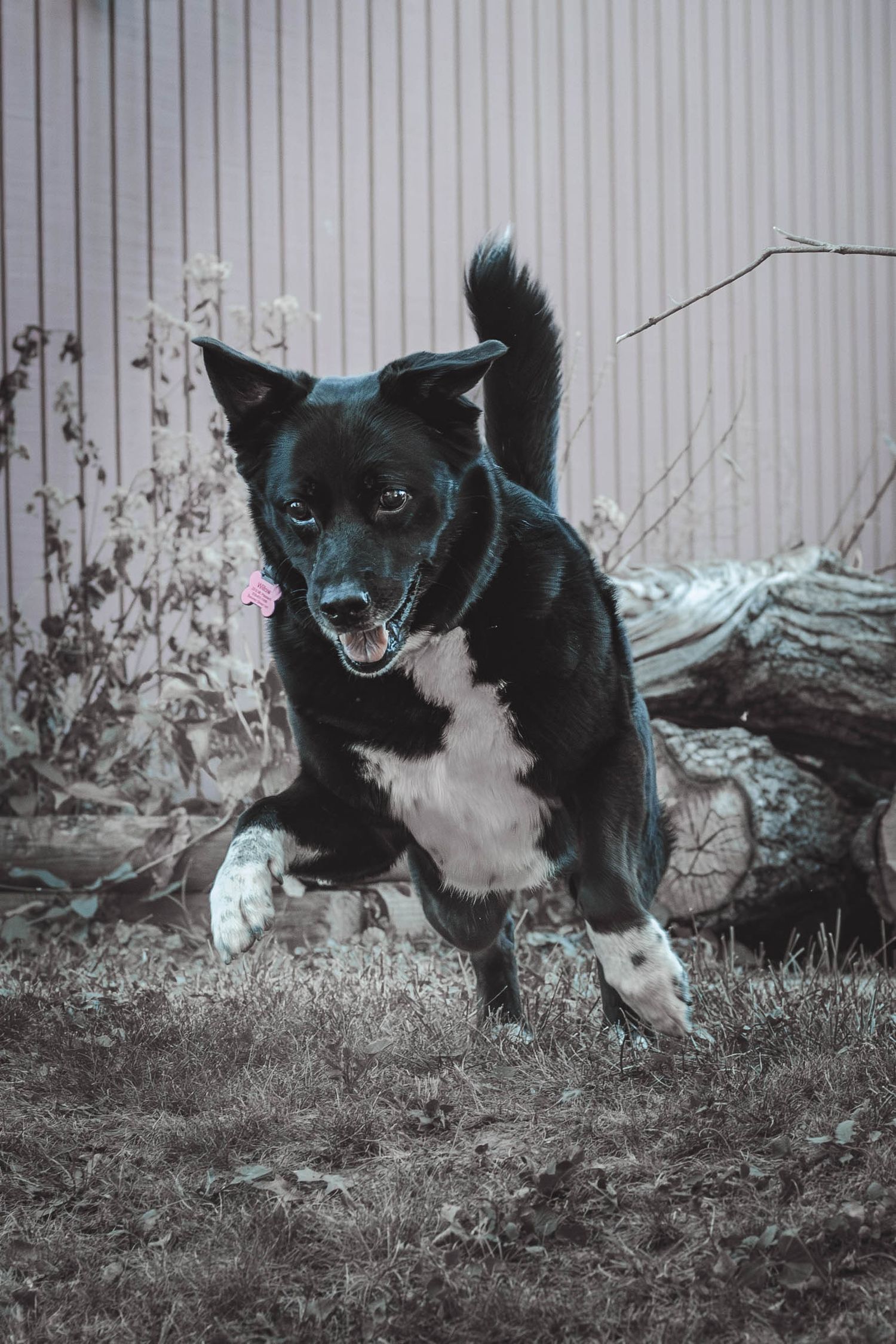
- Watch your white balance - our images tend to have a blue hue to them in the winter because of the lack of sunlight or overcast days. This will lower the "temperature" of the images and they can appear more blue. Keep an eye on this and ensure they do not appear blue but if they do you may need to adjust your white balance to reflect the lighting. All light emits a specific "temperature" and all objects reflect it as well. You don't want your black dog to look too blue and you don't want your white dog looking yellow. It's a delicate balance.
- Let Your Dog’s Personality Shine - the best winter dog photos come from authentic moments—not forced poses. Capture the silliness, curiosity, and joy that make your dog unique. This authenticity is what truly elevates your pet photography.
Snowy landscapes transform ordinary walks into magical photo opportunities, especially here in southeast Iowa. With these easy tips, you can create winter dog photography portraits full of personality, crisp detail, and seasonal charm.
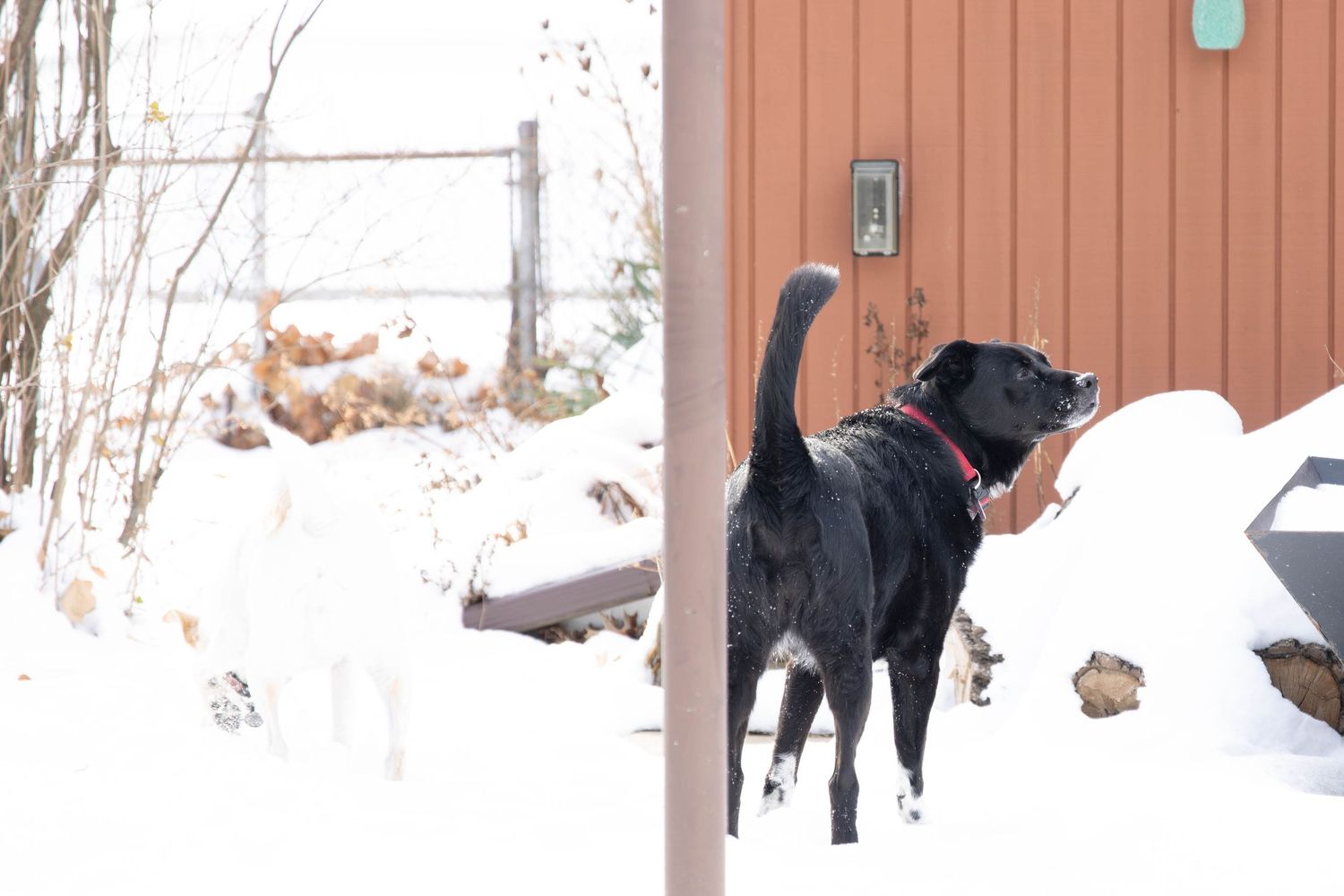
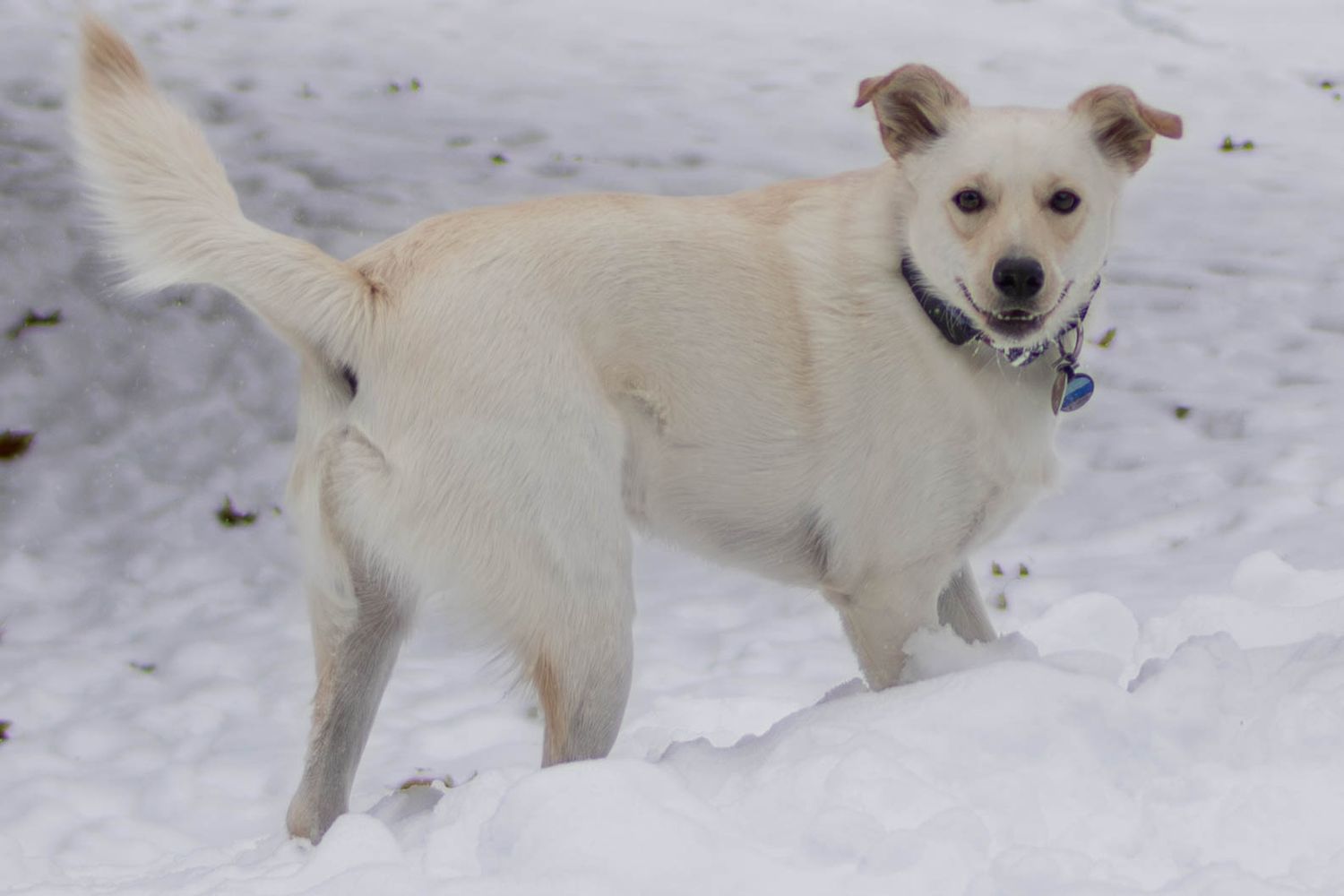
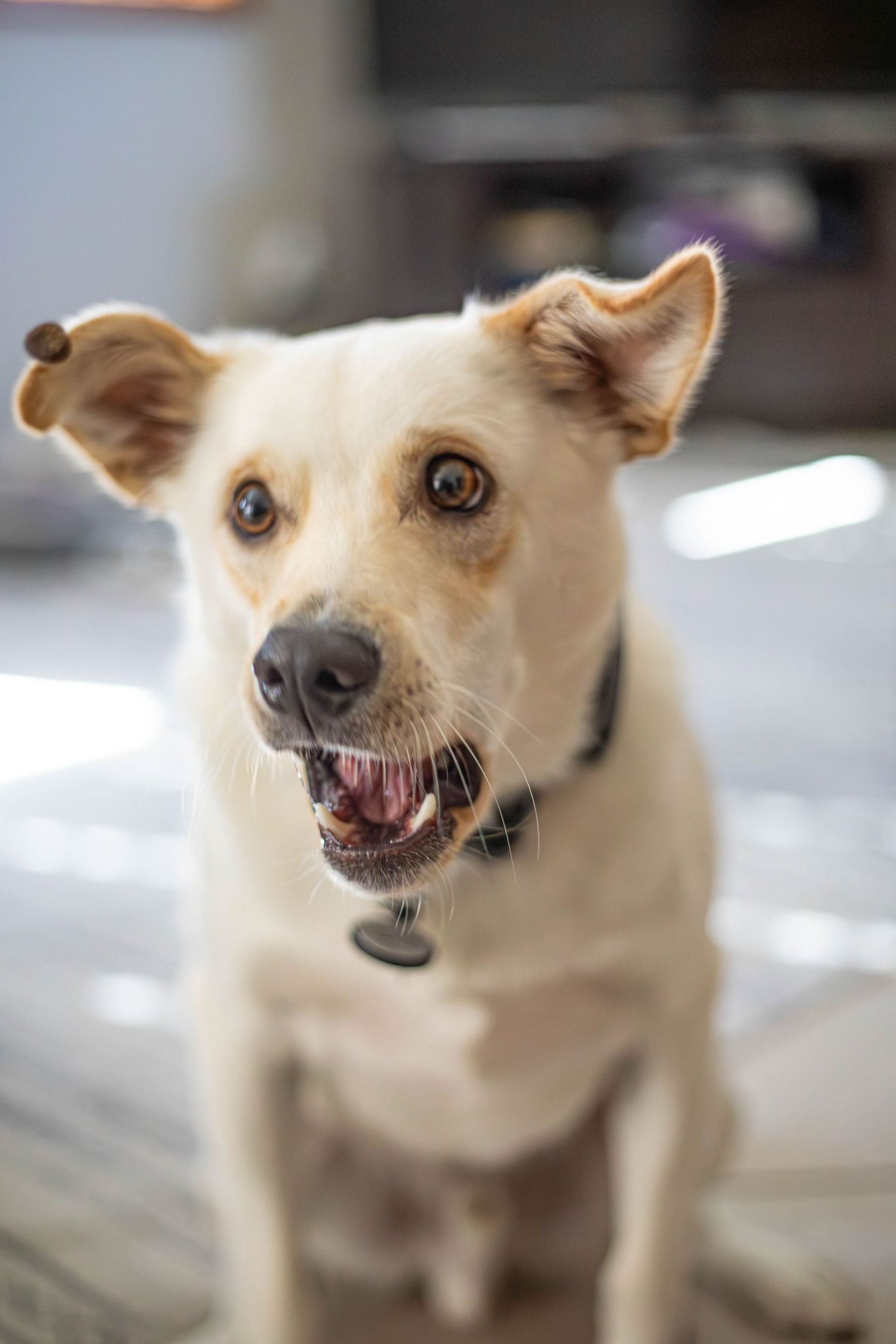
I bet you missed the white dog in the image to the left
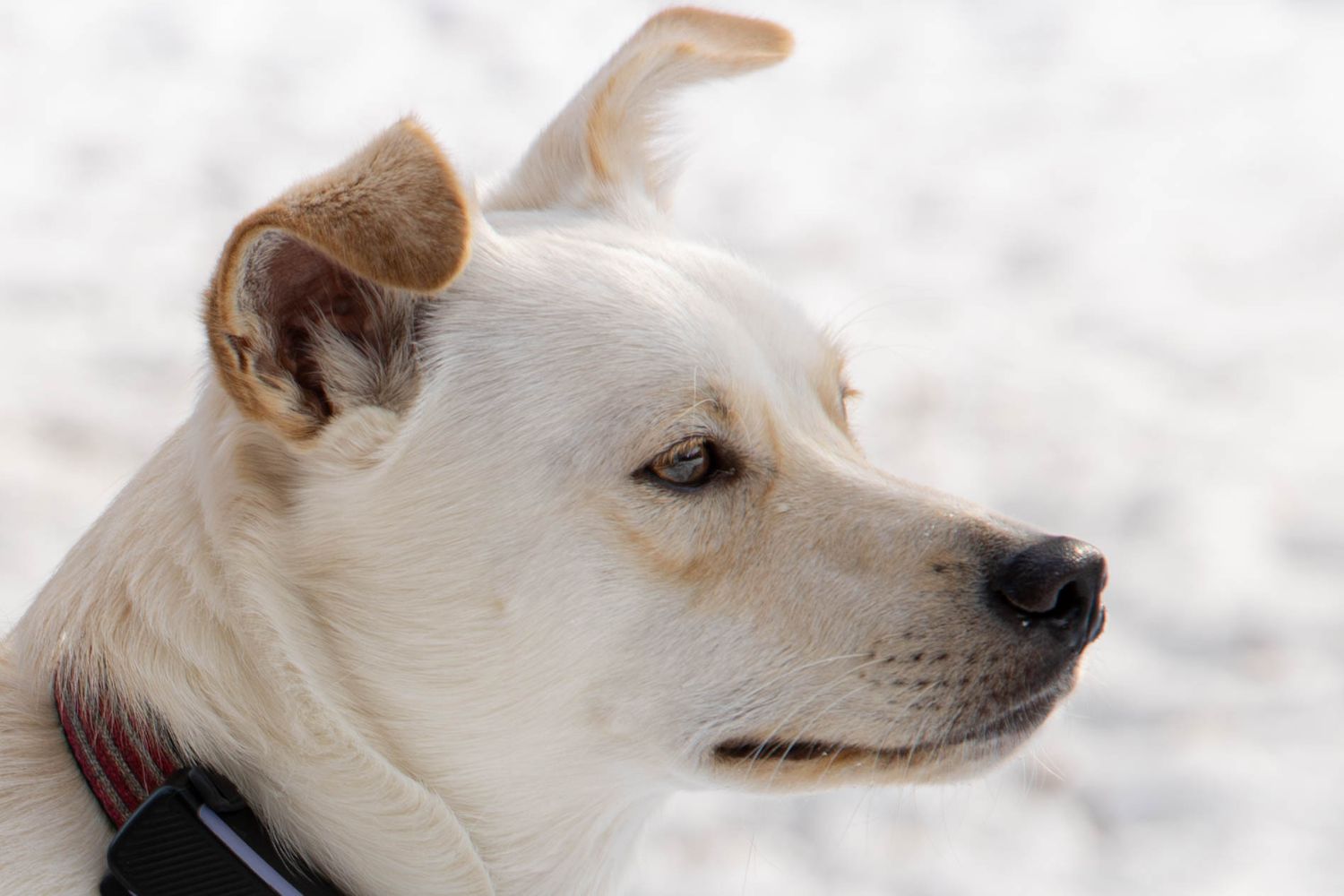
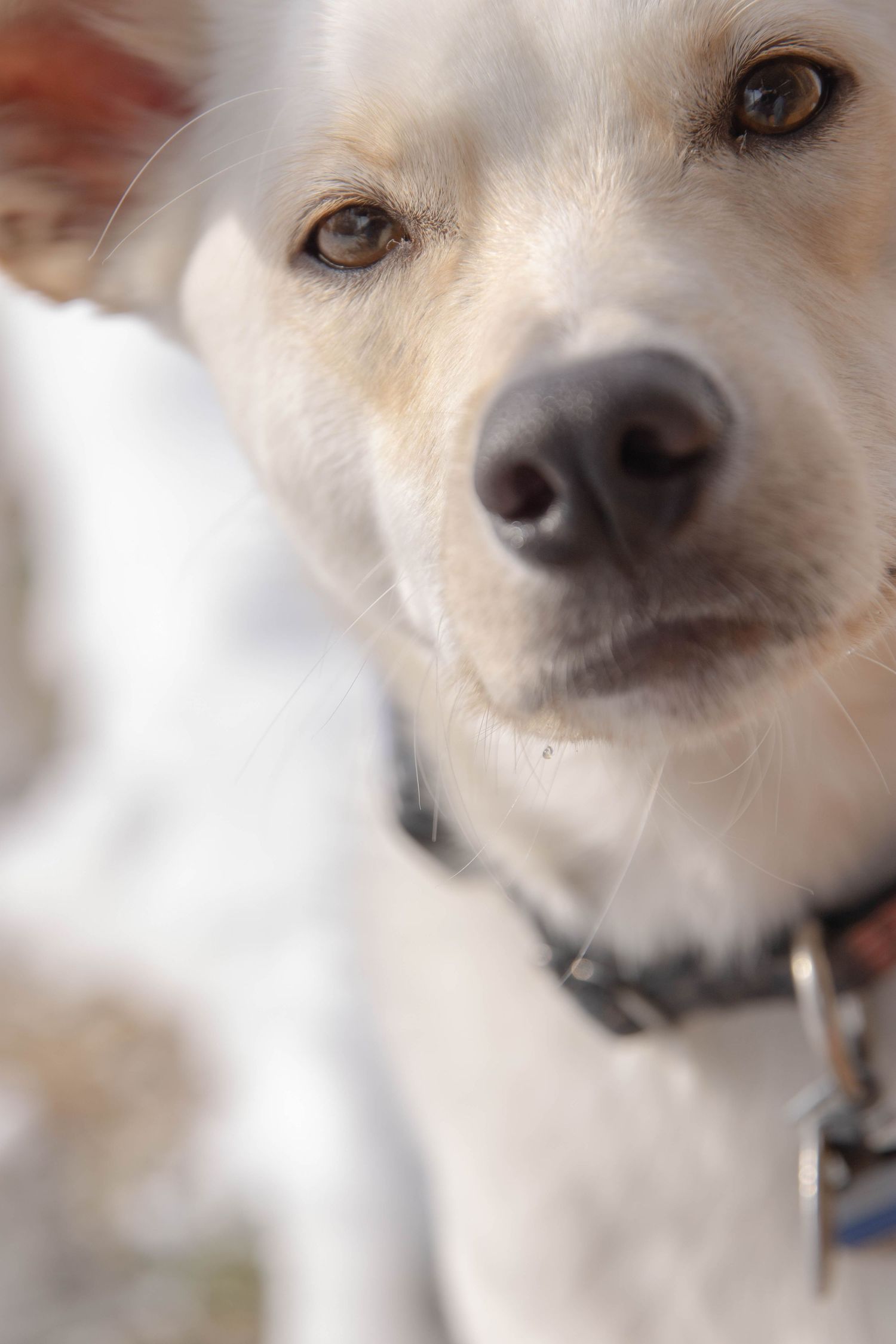
Photographing a white dog in the snow is beautiful—but tricky, because the camera can easily lose detail in all that brightness. Here’s how to get crisp, well-exposed shots with visible texture and expressive eyes:
White fur + white snow can cause the dog’s features to disappear.
-Position the dog so their eyes face some light.
-Add contrast: a dark collar, trees in the background, shadows, or a bit of snow-free ground.
-Get close enough that the dog’s eyes are the focal point.